+86 135 5637 6665
+852 2632 9637

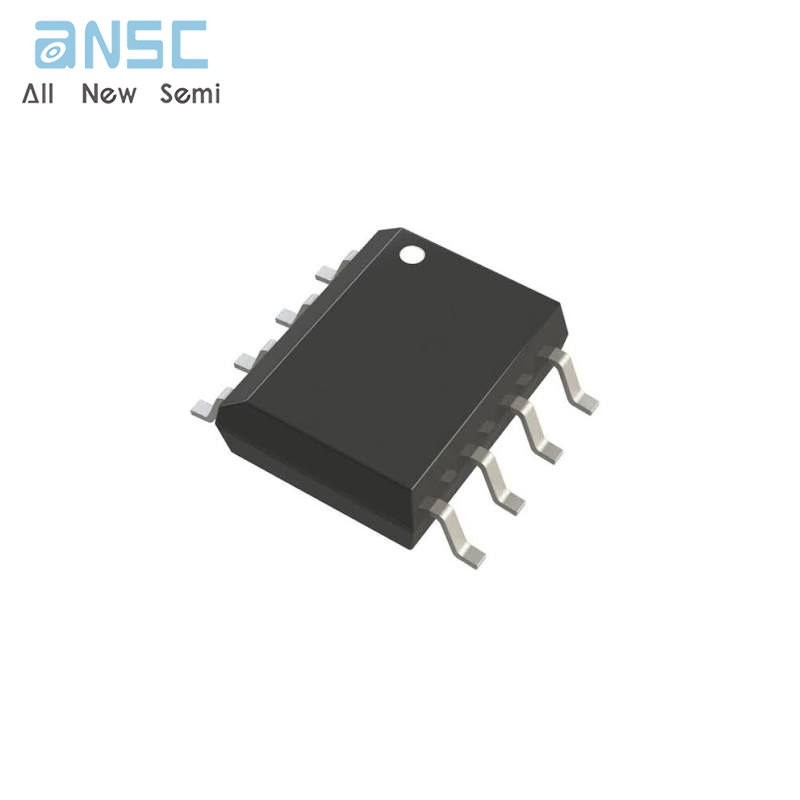
Image shown is a representation only.
Exact specifications should be obtained from the product data sheet.
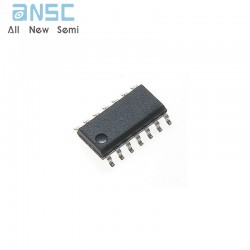
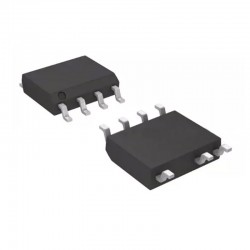
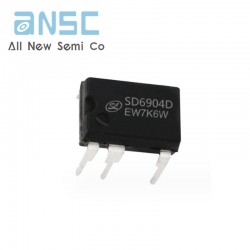
UBA3070T/N1 LED backlight driver IC SOP8 spot stock
The UBA3070 driver IC is the first member of a first generation of power-efficient LED backlight driver ICs.
Highly efficient, flexible and reliable LED drivers can easily be designed using the UBA3070 control IC.
■ Switch-mode buck controller that drives strings of LEDs up to 600 V power-efficiently
■ Controller with power-efficient boundary conduction mode of operation:
◆ No reverse recovery losses in freewheel diode
◆ Zero current switching for turn-on of switch
◆ Zero voltage or valley switching for turn-on of switch
◆ Minimal required inductance value and size
■ Direct Pulse Width Modulation (PWM) dimming available
■ Fast transient response through cycle-by-cycle current control, thereby:
◆ Preventing over or undershoots in the LED current
◆ Enabling efficient PWM dimming by quickly turning the converter on and off and thereby removing the need for extra dim switches and high-side drivers
■ Single loosely controlled input voltage required for all LED strings in RGB backlights
■ No binning on LED forward voltage required
■ Protections:
◆ Undervoltage lockout
◆ Leading edge blanking
◆ Overcurrent
◆ Overtemperature
■ Low cost LED driver solution:
◆ No Schottky diode required because of zero-current switching
◆ No dim switch and high-side driver required for PWM dimming
◆ Smaller inductor possible compared to fixed-frequency continuous conduction mode controllers
■ The UBA3070 is typically suited as a high voltage LED backlighting application in LCD televisions and monitors
For more product information, please download the PDF
WhenCE is HIGH (deselected),the device assumes a standby mode at which the power dissipation can be reduced down to250 µW (typical) with CMOS input levels.
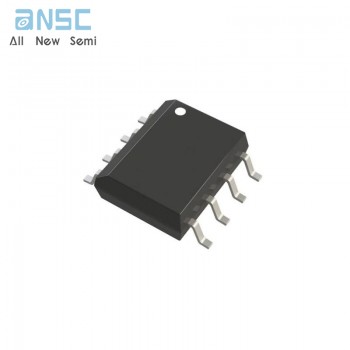
UBA3070T/N1 LED backlight driver IC SOP8 spot stock
SEND
RFQ