
+86 135 5637 6665
+852 2632 9637

Image shown is a representation only.
Exact specifications should be obtained from the product data sheet.
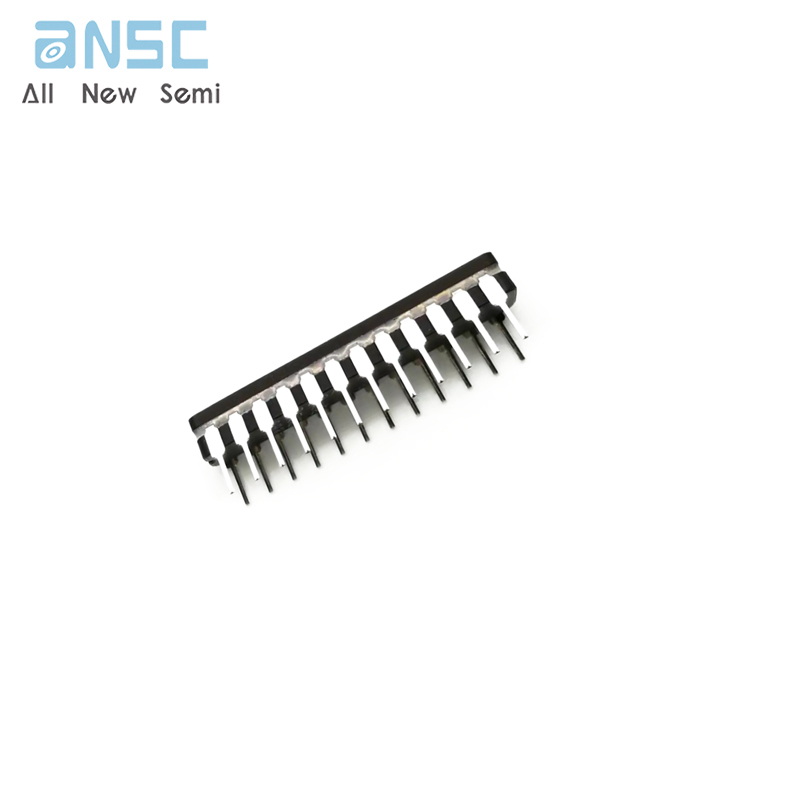
IDT54FCT543DB/5962-8973001LA FAST CMOS OCTAL LATCHED TRANSCEIVER CDIP24 spot stock
The IDT54/74FCT543/A/C is a non-inverting octal transceiver built using an advanced dual metal CMOS technology. These devices contain two sets of eight D-type latches with separate input and output controls for each set. For data flow from A to B,for example,the A-to-B Enable (CEAB)input must be LOW in order to enter data from A0–A7 or to take data from B0–B7 ,as indicated in the Function Table. With CEAB LOW, a LOW signal on the A-to-B Latch Enable (LEAB)input makes the A-to-B latches transparent;a subsequent LOW-to-HIGH transition of the LEAB signal puts the A latches in the storage mode and their outputs no longer change with the A inputs. With CEAB and OEAB both LOW,the 3-state B output buffers are active and reflect the data present at the output of the A latches. Control of data from B to A is similar, but uses the CEBA, LEBA and OEBA inputs.
• IDT54/74FCT543 equivalent to FAST speed
• IDT54/74FCT543A 25% faster than FAST
• IDT54/74FCT543C 40% faster than FAST
• Equivalent to FAST output drive over full temperature and voltage supply extremes
• IOL = 64mA (commercial), 48mA (military)
• Separate controls for data flow in each direction
• Back-to-back latches for storage
• CMOS power levels (1mW typ. static)
• Substantially lower input current levels than FAST (5µA max.)
• TTL input and output level compatible
• CMOS output level compatible
• Product available in Radiation Tolerant and Radiation Enhanced versions
• Military product compliant to MIL-STD-883, Class B
For more product information, please download the PDF
WhenCE is HIGH (deselected),the device assumes a standby mode at which the power dissipation can be reduced down to250 µW (typical) with CMOS input levels.
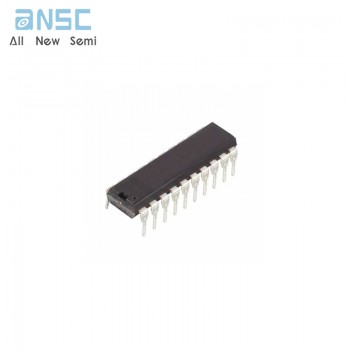
IDT54FCT543DB/5962-8973001LA FAST CMOS OCTAL LATCHED TRANSCEIVER CDIP24 spot stock
SEND
RFQ